CaptuAR
Hidden histories, reimagined through immersive AR.
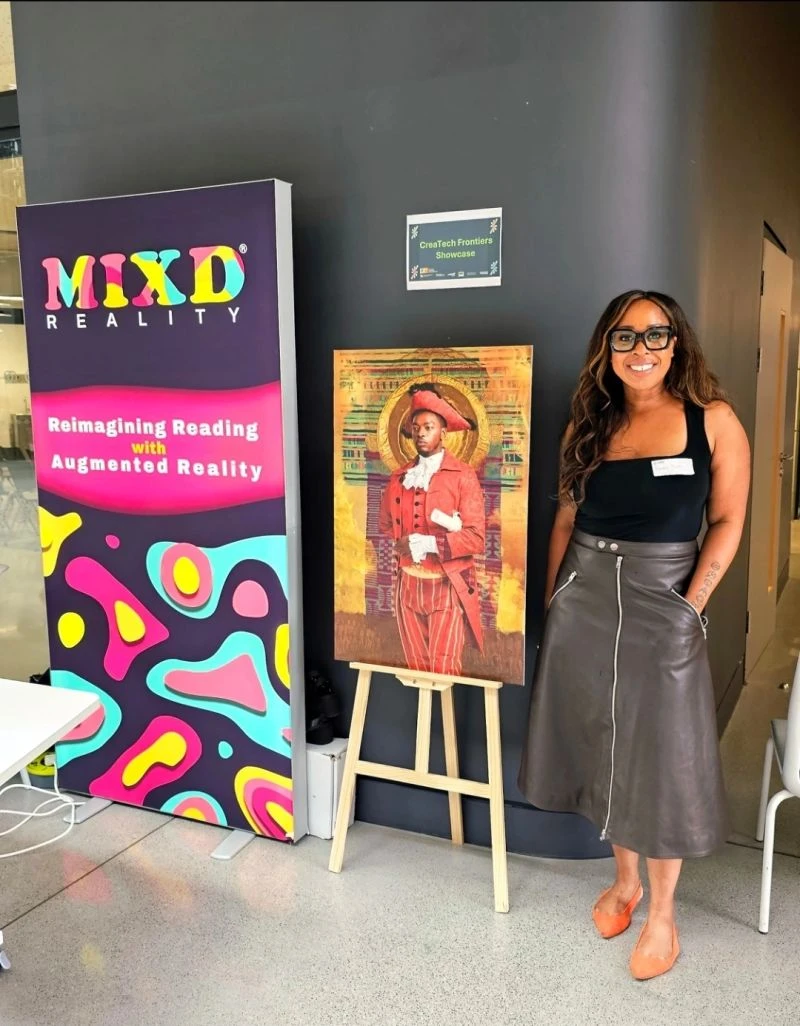
A portrait that comes to life. Scan Àsìkò's portrait of Olaudah Equiano with a phone, and the painting opens into imagery, movement, sound and interaction that no frame could hold.
So much history still reaches us flat: a date, a name, a label on a wall, a single moment of trauma. CaptuAR starts from the opposite belief. History has sound, place, memory and emotion, and an artwork can be the door into all of it.
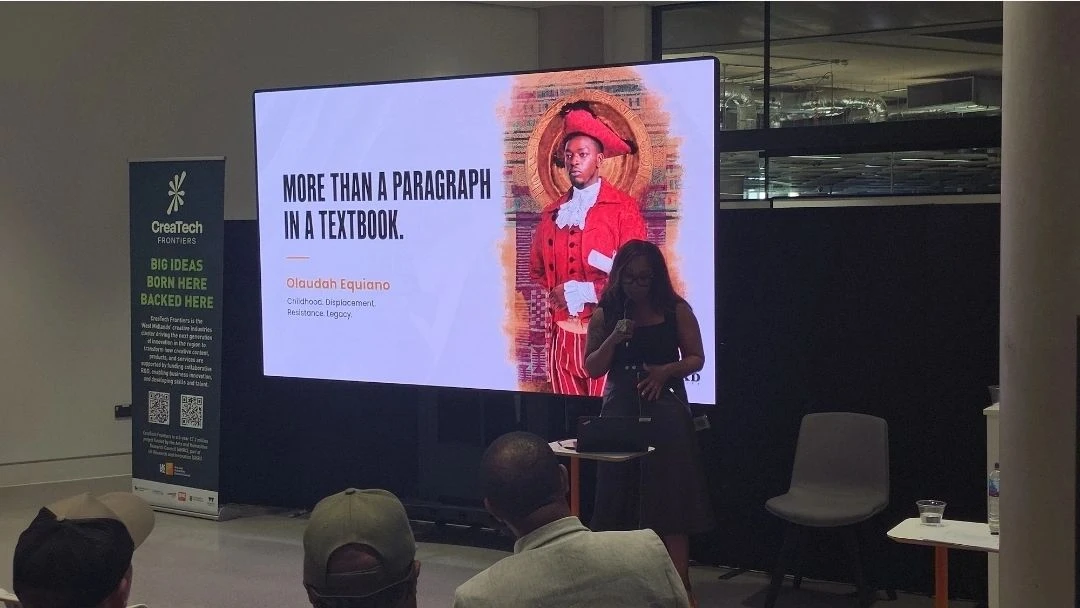
The first chapter tells the life of Olaudah Equiano, who was enslaved as a child, bought his own freedom, and became a writer, an abolitionist and a powerful voice for change. More than a paragraph in a textbook: a person, a voice, a life.
At its launch at STEAMhouse in Birmingham, audiences leaned in as the portrait transformed in front of them, and the conversations started straight away.
Scan the artwork
Point a phone at the physical portrait. No special hardware, just the camera already in your pocket.
The frame opens
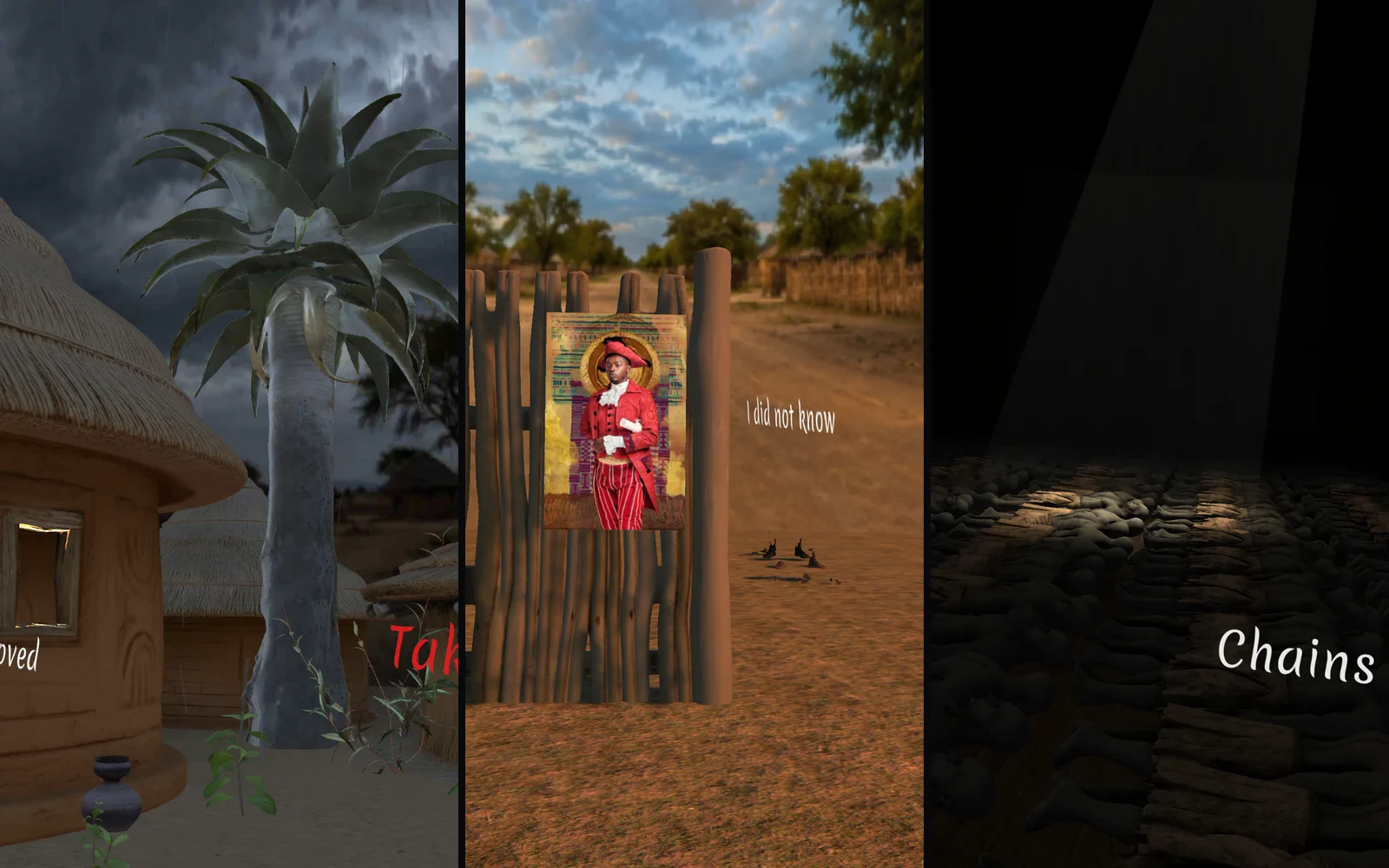
Animation, imagery and sound unfold from the painting itself, so the story stays rooted in the artwork.
Scenes from a life
Moments from Equiano's journey play out in 3D, from childhood and displacement to resistance and legacy.
Built for collections
The same approach can bring other portraits, artefacts and archives to life for museums, galleries and heritage sites.
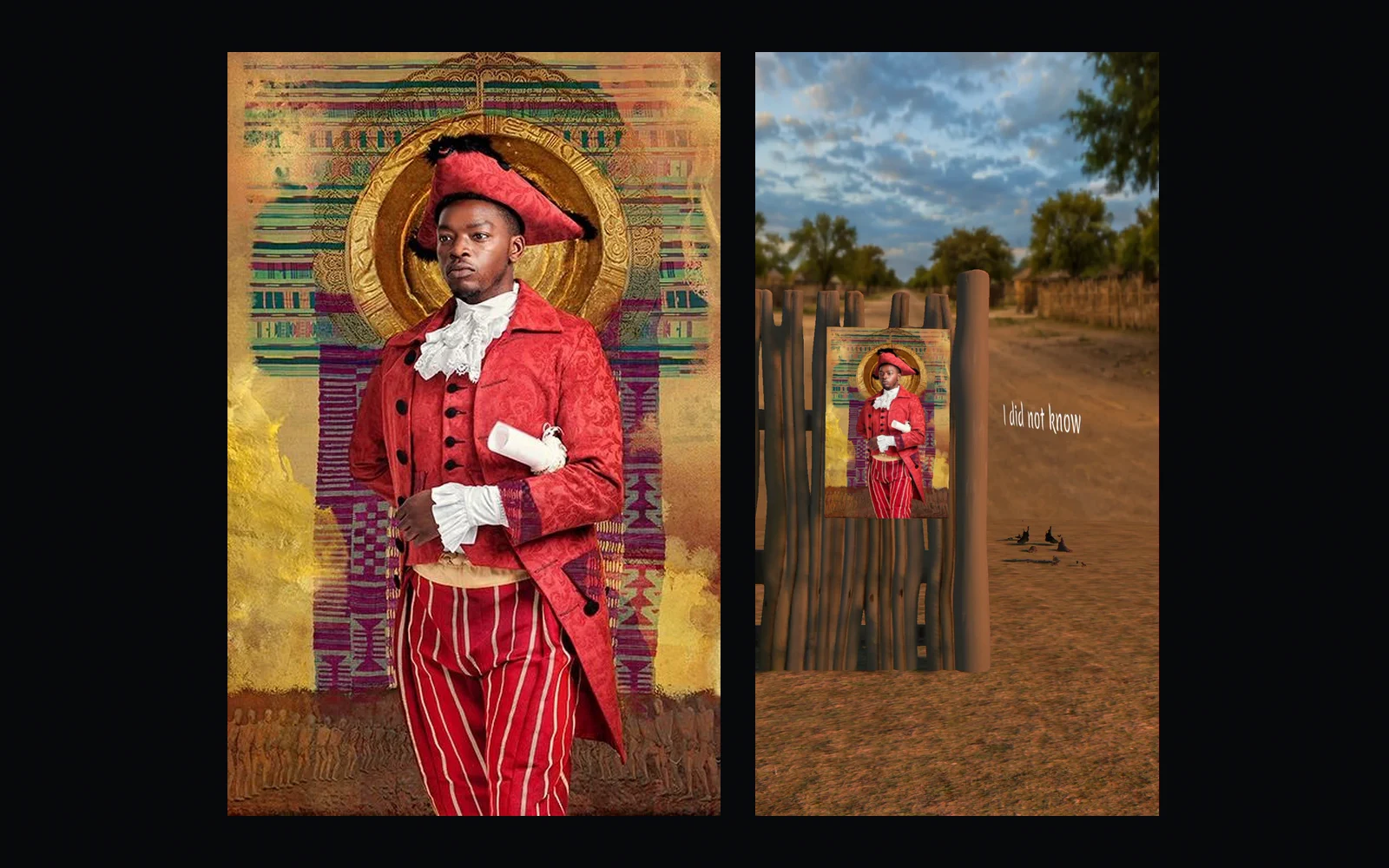
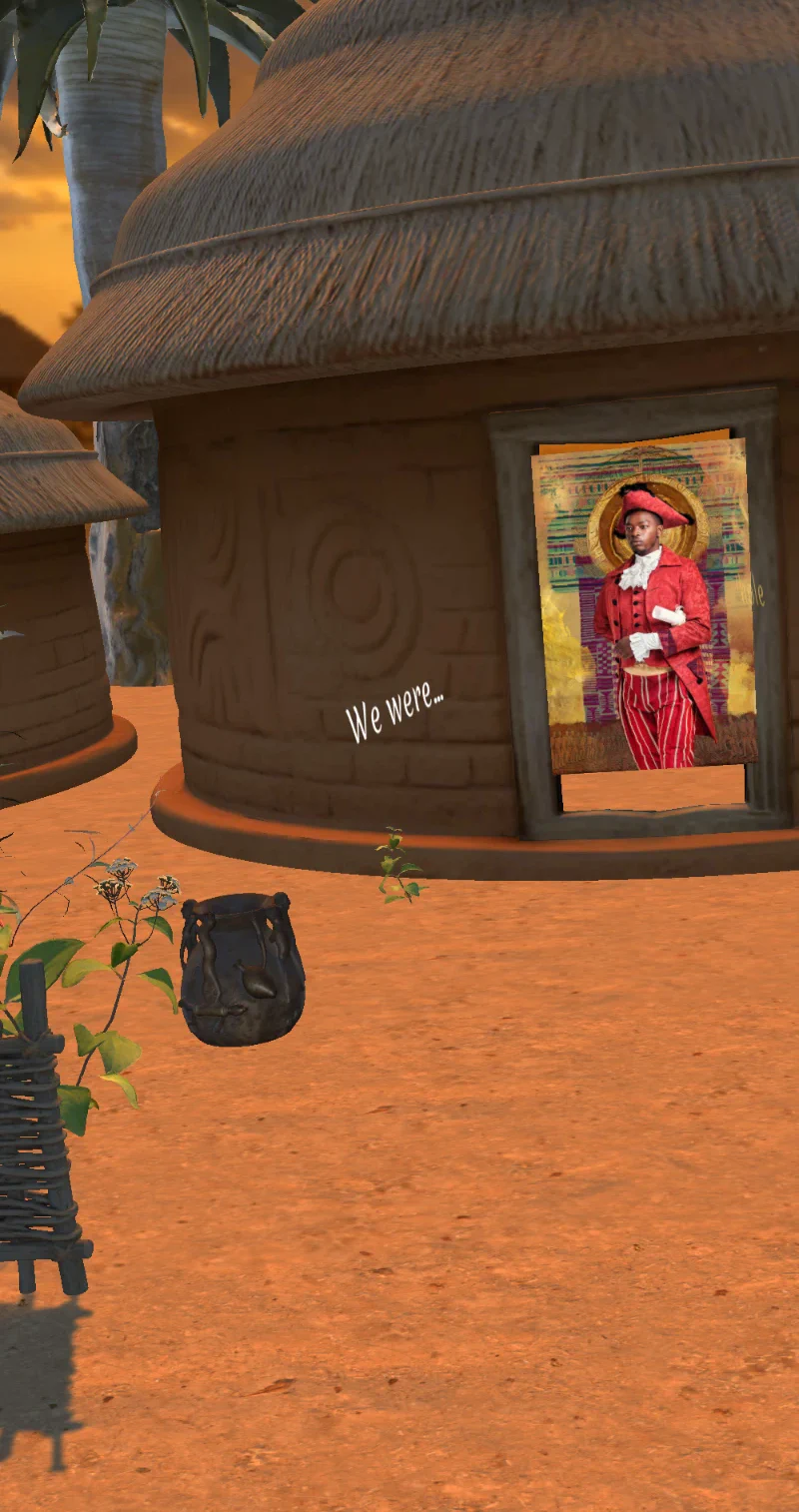
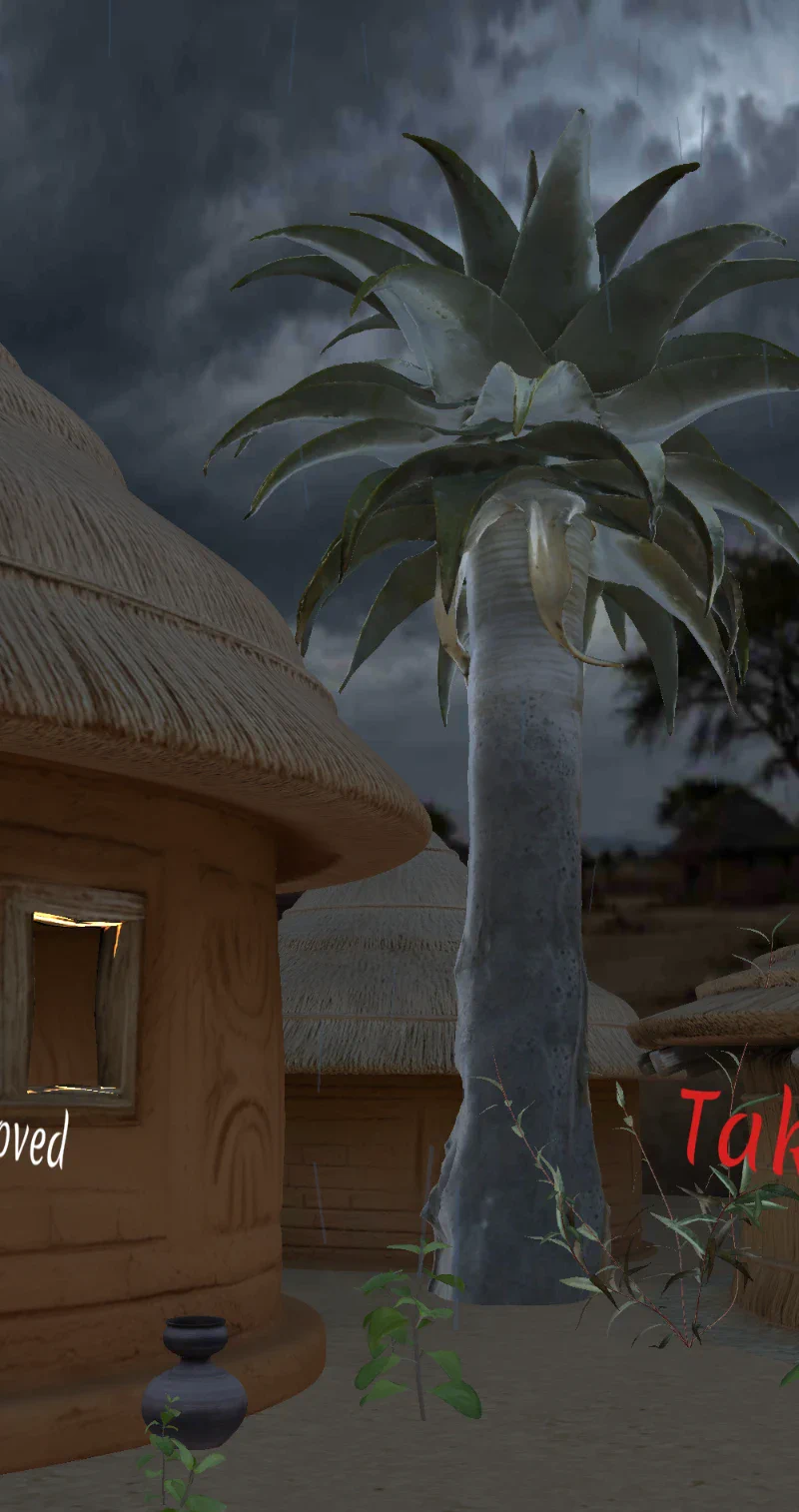
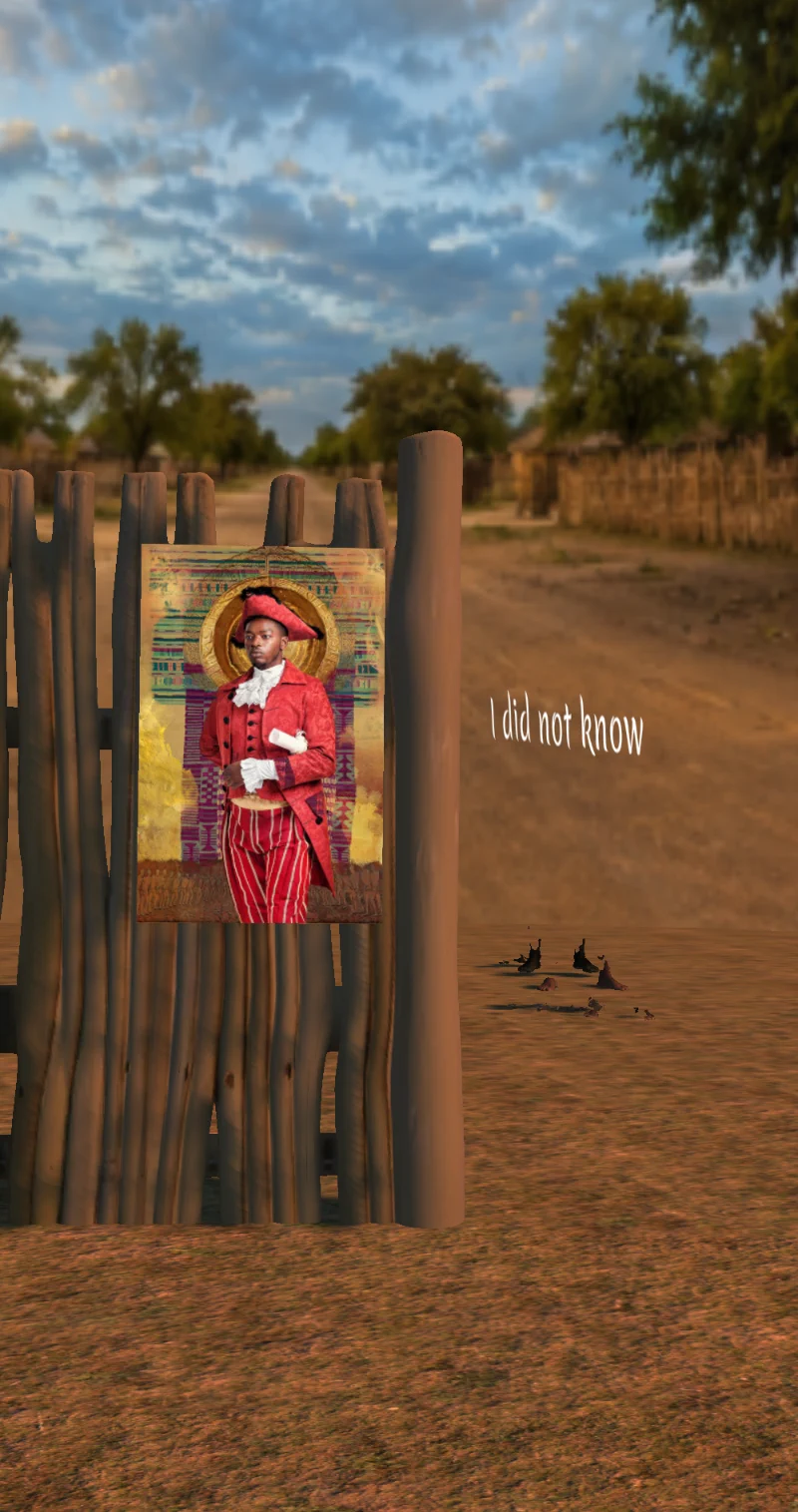
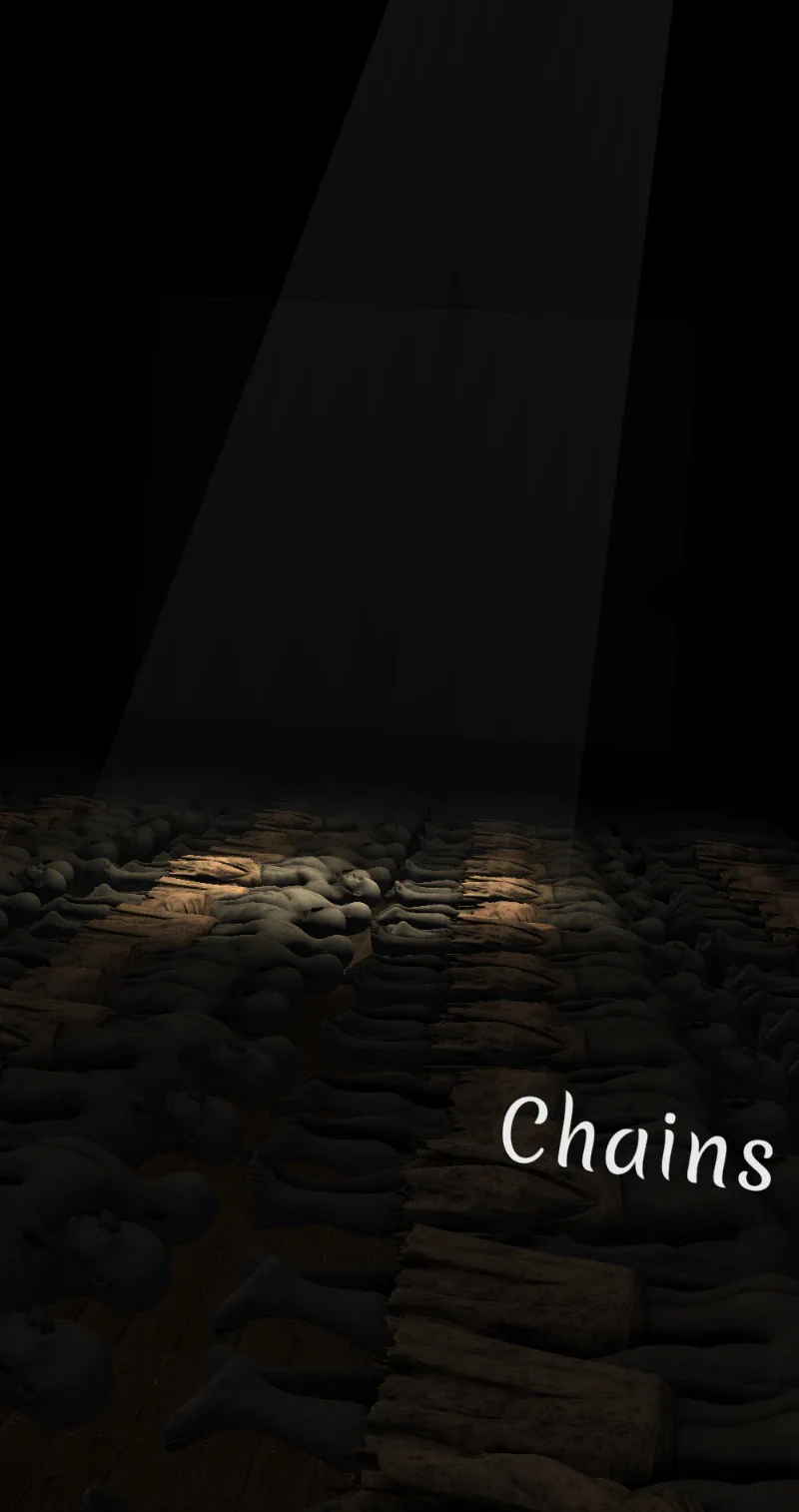
More than a paragraph in a textbook. A person, a voice, a life.
CaptuAR, chapter one: Olaudah Equiano